Motus Aquaticus
<br><br>
recent posts
- Understanding Risk Normalization in Scuba Diving: Staying Safe Beneath the Waves
- Smartphones with Satellite Emergency Features For Scuba Divers
- Why You Should Always Handle Nitrox Tanks as if They Contain Pure Oxygen
- A History of Nitrox in Sport Diving and the Industry’s Resistance
- Hyperbaric Chambers in North and South Carolina
about
Category: The Open Water Diver
-
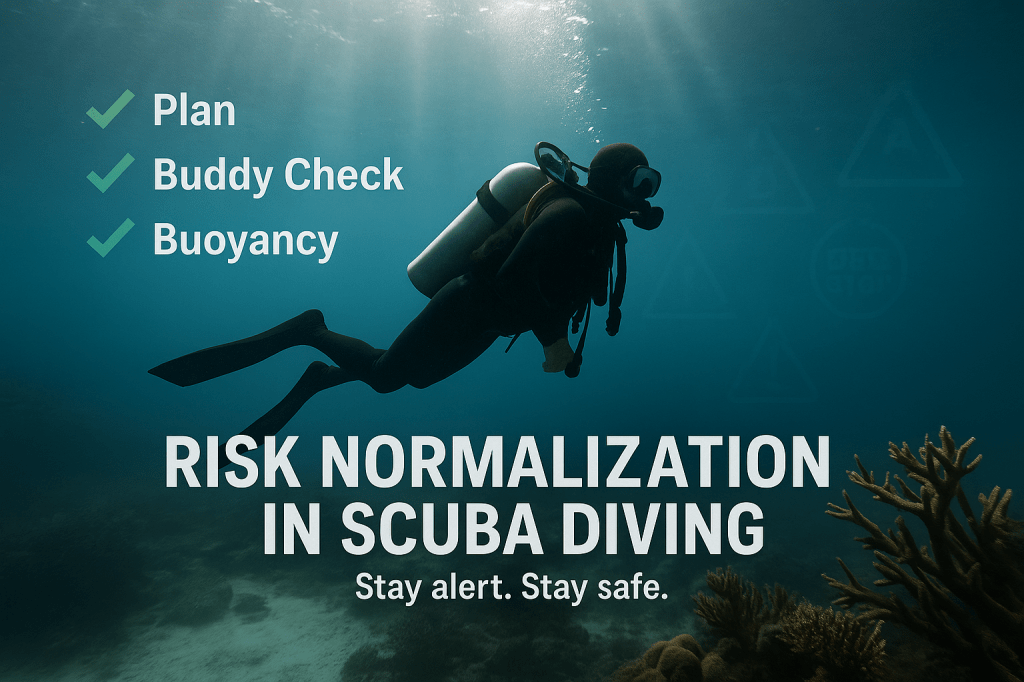
Scuba diving is an exhilarating adventure that opens up a vibrant underwater world, from coral reefs teeming with life to mysterious wrecks steeped in history. However, like any adventure sport, it comes with inherent risks—equipment failure, marine life encounters, decompression sickness, and unpredictable ocean conditions, to name a few. For divers, managing these risks is…
-
Smartphones with Satellite Emergency Features For Scuba Divers
-
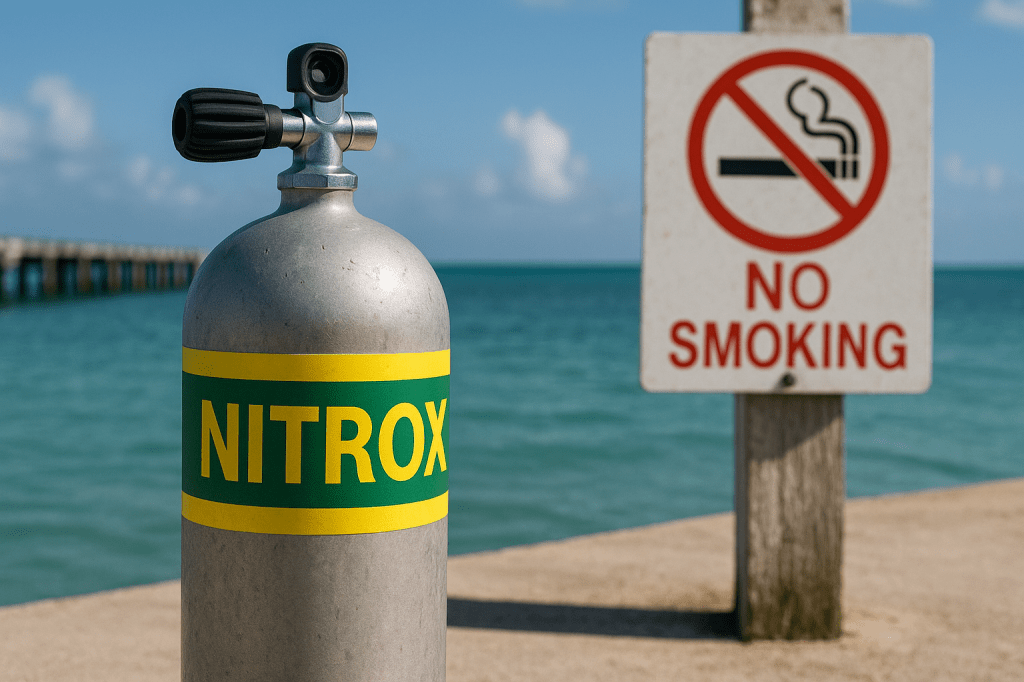
Why You Should Always Handle Nitrox Tanks as if They Contain Pure Oxygen Nitrox, a breathing gas with elevated oxygen content (typically 22% to 40%), offers scuba divers benefits like extended bottom times and reduced decompression risks. However, its higher oxygen levels also heighten hazards—particularly fire or explosion risks—if not managed carefully. While Nitrox isn’t…
-
A History of Nitrox in Sport Diving and the Industry’s Resistance Early Development and Introduction Nitrox, a breathing gas with higher oxygen and lower nitrogen content than air (typically 32% or 36% O₂ vs. air’s 21%), originated in scientific and military diving before entering the sport diving scene. The U.S. Navy began experimenting with oxygen-enriched…
-
Below is a list of facilities in North Carolina and South Carolina known to have hyperbaric chambers capable of treating decompression sickness (DCS) as of March 21, 2025. This is based on available information from sources like the Undersea and Hyperbaric Medical Society (UHMS), Divers Alert Network (DAN), and facility websites. Not all hyperbaric facilities…
-
Below is a list of facilities in Florida known to have hyperbaric chambers capable of treating decompression sickness (DCS) as of March 21, 2025. This list is compiled based on available public information from reputable sources like the Undersea and Hyperbaric Medical Society (UHMS), Divers Alert Network (DAN), and facility websites. Note that not all…
-
Sterilizing a scuba regulator that someone has vomited in is critical to ensure it’s safe and hygienic for future use. Vomit introduces organic matter—bacteria, stomach acid, and food particles—that can fester in the regulator’s mouthpiece, hoses, and second stage if not properly cleaned. Here’s how to tackle it effectively: Steps to Sterilize a Scuba Regulator…
-
Health Risks of Diving in a Rental Wetsuit Diving in a rental wetsuit can carry potential health risks due to its shared use and the challenges of keeping it fully sanitized. Wetsuits are tight, damp environments that can trap bacteria, fungi, and other pathogens—especially if cleaning between users is inconsistent. Add in the fact that…
-
Why Bubble Checks and S-Drills Are Essential at the Start of Every Dive Performing a bubble check and an S-drill with your buddy before every dive is critical for safety and preparedness underwater. Here’s why these practices matter: Bubble Check A bubble check involves inspecting your equipment—regulators, hoses, tank valves, and other components—for leaks by…
-
Below is a detailed history of the ownership changes of the Rebreather Association of International Divers (RAID), a dive training organization founded in 2007. This account is based on publicly available information up to March 16, 2025, tracing its founding, sales, and transitions through various owners. Written for clarity and practicality, it provides a comprehensive…
 Motus Aquaticus